
12 July 2026 · Emma Thompson
Discover Hidden Talents Through Innovative Programming Classes
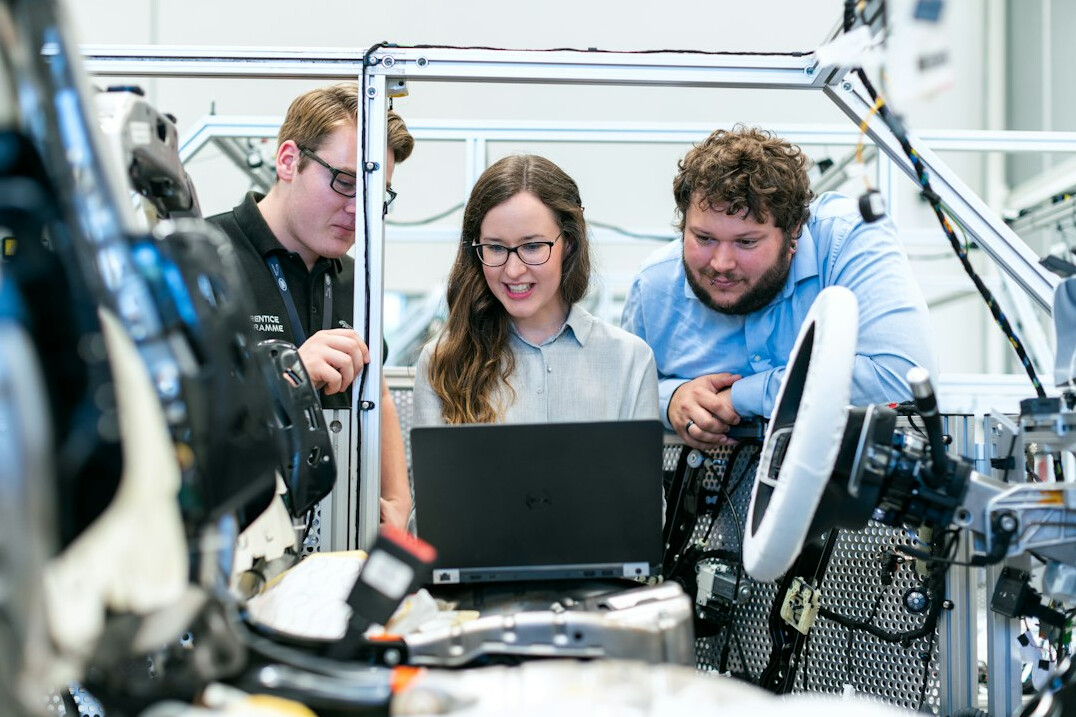
Many people go through life without realizing the creative spark they carry inside them. Programming often gets labeled as something technical and dry, but the truth is it can unlock parts of your mind you never knew existed. At edufluxix we see this happen every week when students join our English-based courses and suddenly start thinking in new ways.
Why Traditional Learning Falls Short
Standard computer classes usually focus on memorizing syntax and completing repetitive drills. That approach works for some, yet it leaves many students feeling bored or convinced they lack talent. Our method is different. We start with real problems that matter to the learner, then guide them toward solutions using code. The language of instruction stays English throughout, which also sharpens communication skills at the same time.
Hands-On Projects That Reveal Strengths
Instead of endless worksheets, participants build small games, automate daily tasks, or design simple web tools. One student discovered a knack for visual design while creating an interactive story. Another realized she enjoyed breaking down complex ideas after leading a group debugging session. These moments happen because the classes stay flexible and curiosity-driven.
Programming taught me I could turn random ideas into something useful. I never expected that from a coding course.
Classes run in small groups so everyone receives personal attention. Instructors adjust difficulty on the spot and celebrate mistakes as part of the process. This supportive setting lowers anxiety and lets hidden abilities surface naturally.

English as the Bridge to Global Thinking
Conducting lessons in English adds another layer of growth. Students practice explaining their code, reading documentation, and collaborating with peers from different backgrounds. Over time, this builds confidence that transfers to job interviews, university applications, and everyday problem solving.
Real Stories From Recent Participants
- A graphic designer who now automates repetitive client work and has more time for creative projects.
- A high-school student who started a small club teaching younger kids basic scripts.
- A career changer who used class projects to build a portfolio and land an entry-level developer role.
Each of these outcomes began with someone simply showing up curious. The structured yet open format of the courses gives space for individual strengths to appear.

Feedback sessions happen at the end of every module. Students review each other’s work and suggest improvements. This peer interaction often highlights talents in leadership, clear writing, or logical thinking that the original learner had overlooked.
Getting Started Is Simple
New cohorts begin every few weeks. Prospective learners complete a short placement chat so the right level is chosen. No prior experience is required, only an open mind and basic English. Materials and practice environments are provided, keeping the focus on exploration rather than setup hurdles.
Over the coming months many more people will sit down in front of a screen and type their first lines of code. Some will find they enjoy the puzzle-solving side. Others will lean into the storytelling aspect of building apps. Whatever direction emerges, the important part is giving that hidden talent room to grow.